

Before taking our daughters to New York, we spent a fair bit of time sorting out our travel documents, working out how we’d pay for things and planning the journey to the hotel. Some things went very well. Others, like judging traffic on the way back to the airport, we learnt the hard way. Here’s what worked for us and what we’d check before leaving today.
Passports and ESTA travel authorisation

If you’re travelling on a Spanish passport for tourism, you may qualify for the Visa Waiver Program for stays of up to 90 days. Under the programme, each traveller, including children, needs their own electronic passport and an approved ESTA before travelling. If you’re travelling on a valid US visa for that purpose, use that visa. Check the rules for your passport and any exceptions linked to past travel, including to Cuba.
Apply on the official ESTA website, where you can check the current fee. We’d leave several weeks to get it sorted. Keep the application number and check the status of every traveller’s application on the site. Ours came through quickly, but we still ended up checking online. An ESTA usually lasts two years or until your passport expires, whichever comes first.
You’ll still go through border control after landing. An ESTA lets you travel under the programme, and the decision on admission is made when you arrive. Allow time for border control and baggage collection before you agree to meet a driver. The wait felt long after hours on a plane.
Cash, cards and paying in New York

We split our money four ways. We wanted a backup if a card failed and an easy way to keep track of what we were spending each day.
- Some US dollars in cash. Useful for small purchases and the first few hours. If you order cash before leaving, compare the final amount you’ll get after the exchange rate and any fees.
- Revolut. We used it for everyday spending and managed it on our phones. It occasionally failed, including at some of the subway machines in use at the time, so it was handy to have another card.
- N26. This is where we kept most of our spending money. We could check each payment on our phones.
- A credit card for the hotel. Ask what cards the hotel accepts and how much it holds as a deposit. The hold can take time to clear after checkout.
Compare the exchange rate, your card plan’s fees and its cash withdrawal limits. The cash machine operator may charge its own fee. If a payment terminal offers to charge you in your home currency or in dollars, check the rate before accepting its conversion.
Travel insurance for the United States
We bought a family policy from IATI and added cover for flight disruption. For Japan we chose Mondo after comparing the terms. For a US trip, check the limits for medical treatment, hospital care and repatriation, along with what your policy covers for luggage, delays and cancellations. Spain’s foreign ministry includes insurance in its US travel advice (in Spanish).
Mobile data and calls during the trip
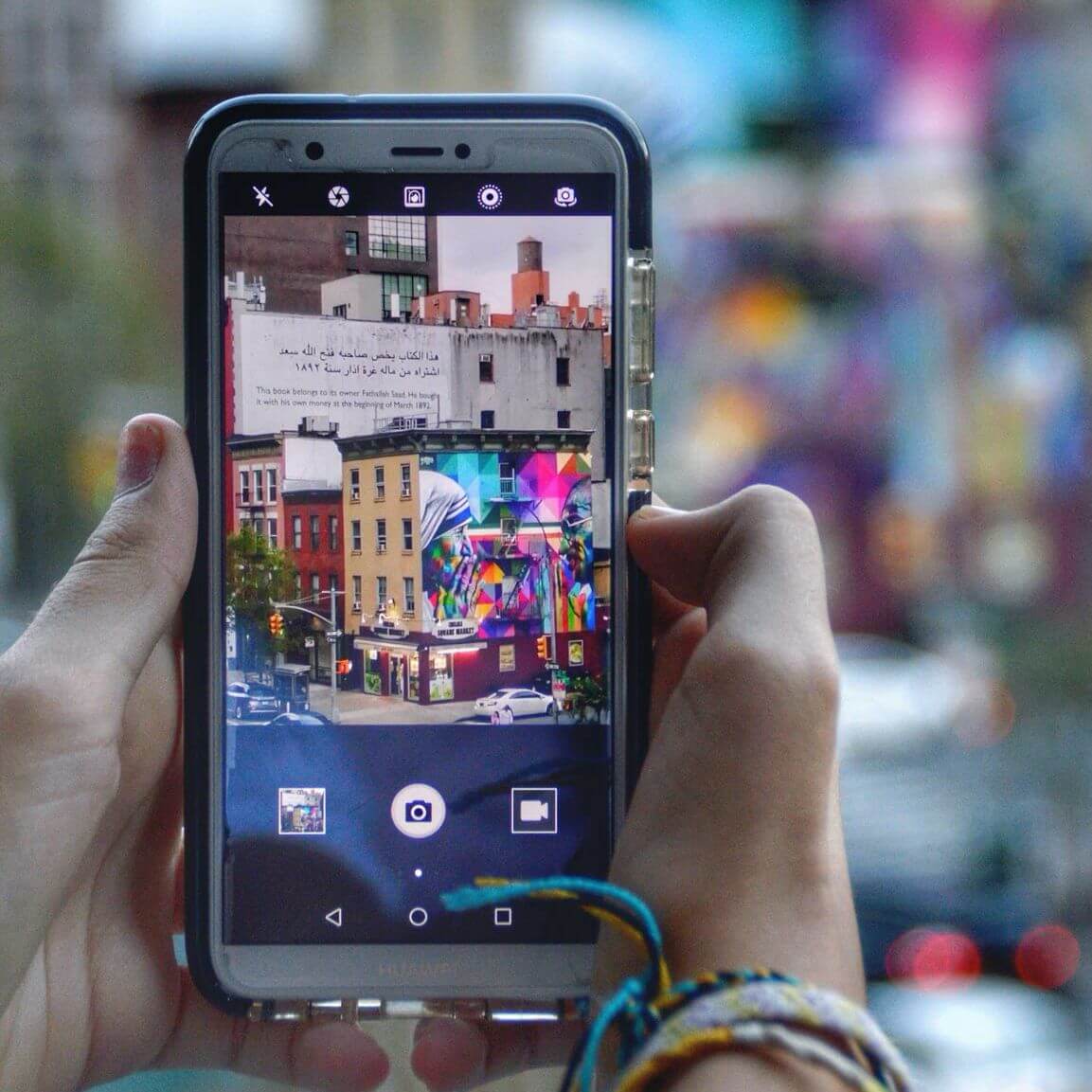
We like taking a paper guide and using our phones to find places, work out how long a walk will take or check public transport. On that trip we used a physical Holafly SIM. Activation took a few hours and we had to use the support chat, but it worked well for maps and WhatsApp after that. Seven days turned out to be slightly too short.
There were four of us with phones and we bought two SIMs so we could stay in touch. The other two phones used Wi-Fi when needed. Today you can also compare data eSIMs, physical SIMs and your operator’s roaming options. Check that your phone is compatible, when the plan starts, how much data is included and whether tethering is available. Download your maps and save the hotel address before you fly.
Flights, airport transfers and accommodation

Flights. Compare the full price with luggage and, if you want to sit together, the seats you need. On a long trip we like to check in at least one large suitcase. You never know how many presents you’ll bring back :).
Airport transfers. Check whether your flight lands at JFK, Newark or LaGuardia before comparing your options. We like to have the journey to the hotel sorted before we land. If you book a transfer, check how long the driver will wait and what happens if the flight is delayed. Allow extra time for traffic on the way back. A journey we expected to take under an hour took us about two.
Accommodation. We chose a hotel with breakfast about ten minutes’ walk from Ground Zero. We mostly used it to sleep, so location and time saved each morning mattered more to us. We had some issues with card charges that were sorted after the trip. Check the total with taxes and fees, how many people can stay in the room and whether there’s a deposit.
Plug adaptors and a portable charger
US sockets usually take flat pins, and household power is 120 V at 60 Hz. Check the label on your charger. If it says 100–240 V and 50/60 Hz, a plug adaptor will normally be enough. An adaptor won’t change the voltage for an appliance rated only for 230 V. We’d also pack a portable charger for long days out.
For ideas on what to do once you arrive, see our tips for enjoying New York with children and free things we did with our daughters.
You might also like