What should you see on a first trip to Japan? These are the ten places we enjoyed most on our family trip. With around two weeks you can go from the streets of Tokyo to the Japanese Alps, take in the temples of Kyoto and finish among the neon signs of Osaka.
If you’re working out where to stay, how to get around or whether the rail pass is worth it, start with our practical Japan travel tips.
1. Tokyo
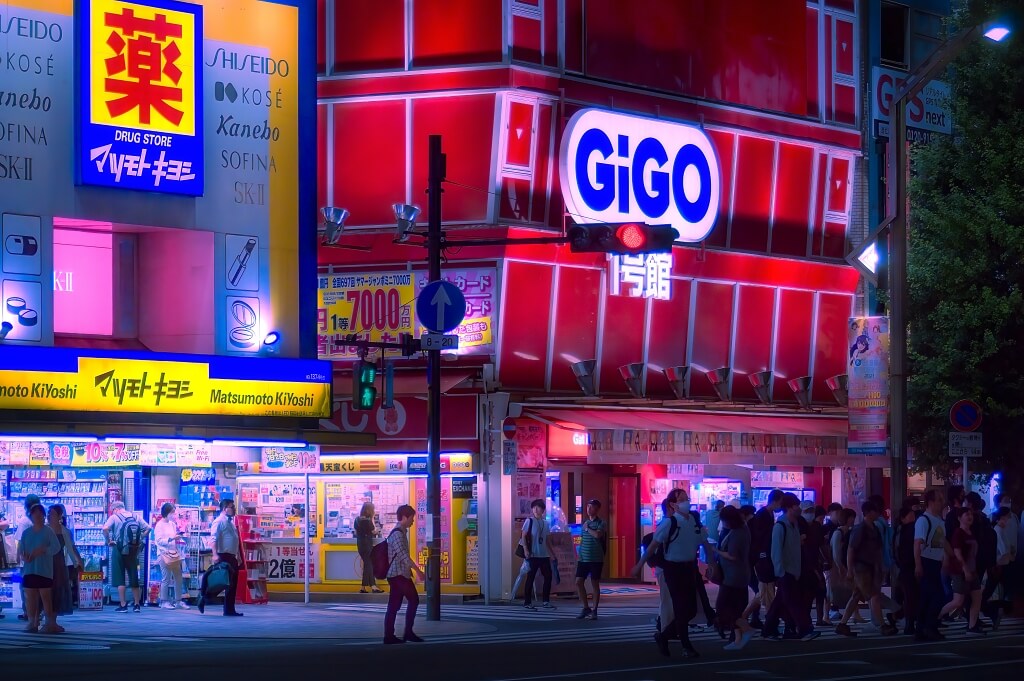
Tokyo by day and Tokyo by night felt like two different cities. It’s worth grouping visits by neighbourhood. We remember the spotless streets, how patiently people waited to cross the road and the sheer number of people out and about.
For views over the city, the Tokyo Tower looks a little like the Eiffel Tower and the Tokyo Skytree rises high above the eastern side of the city. Both charge admission. We also went up the Tokyo Metropolitan Government Building in Shinjuku, where the observation deck is free. On a clear day you might see Mount Fuji. Film fans can look out for the Park Hyatt Tokyo, where Lost in Translation was filmed.
- Shibuya Crossing. The famous scramble crossing and the streets around it.
- Akihabara. The electronics district is a sight after dark.
- Yoyogi Park and Meiji Jingū. We’d set aside time for both.
- Omoide Yokocho. This narrow Shinjuku alley has some very good yakitori, though we found it on the expensive side.
- Tsukiji Outer Market. A good place to try a few things as you go.
- Tokyo Imperial Palace. Walk around the grounds and look towards Nijubashi Bridge for a photo. The palace interiors are generally closed to visitors, but the East Gardens can be visited on opening days.
In Asakusa, we’d start at the free viewpoint in the culture and tourist information centre opposite the entrance to Sensō-ji. Then follow the shopping street to Tokyo’s oldest temple, with its five-storey pagoda on the left towards the end of the approach.
For a rainy day or a trip with children, try the Ghibli Museum in Mitaka or teamLab Borderless. We never managed to get into Ghibli. Official Ghibli Museum tickets go on sale on the 10th of each month at 10 am Japan time for the following month.
The immersive exhibits at teamLab Borderless are now at Azabudai Hills, in Minato. Tickets are for a specific date and time. When we travelled, the museum was still in Odaiba. The island is still worth a trip in its own right for the views across the bay and its replica Statue of Liberty.
2. Mount Fuji and the Five Lakes
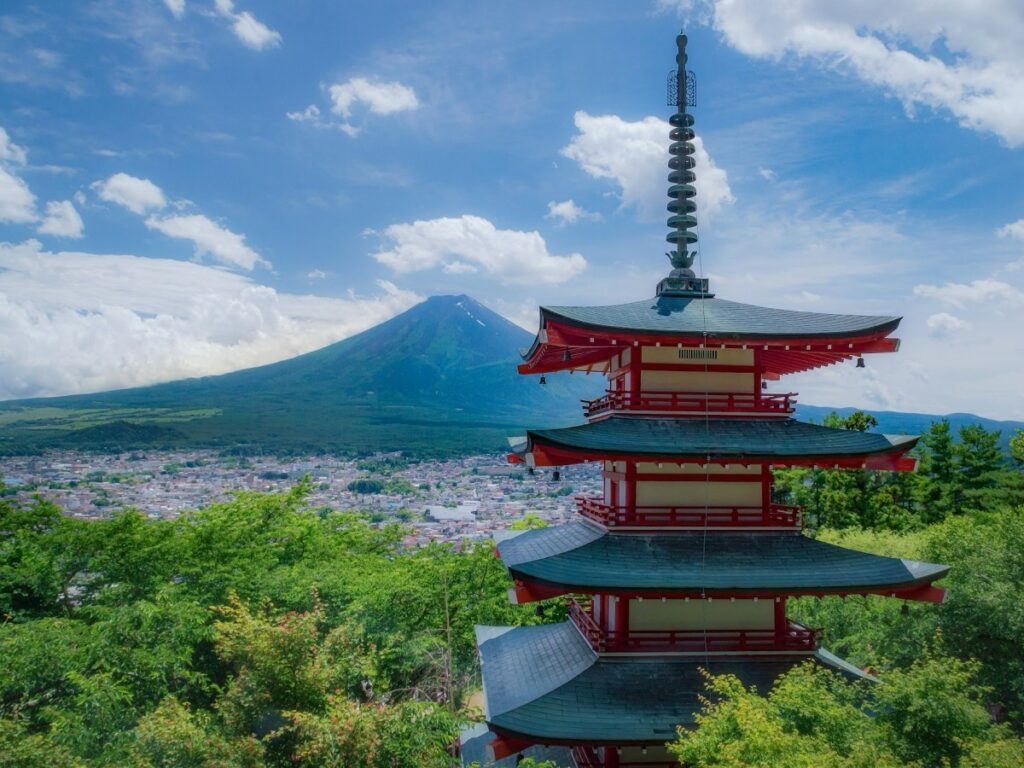
This was one of the best days we’ve ever had on holiday. Our Spanish-speaking guide, Ken, drove us around in an air-conditioned minibus, which made it possible to fit quite a lot into the day.
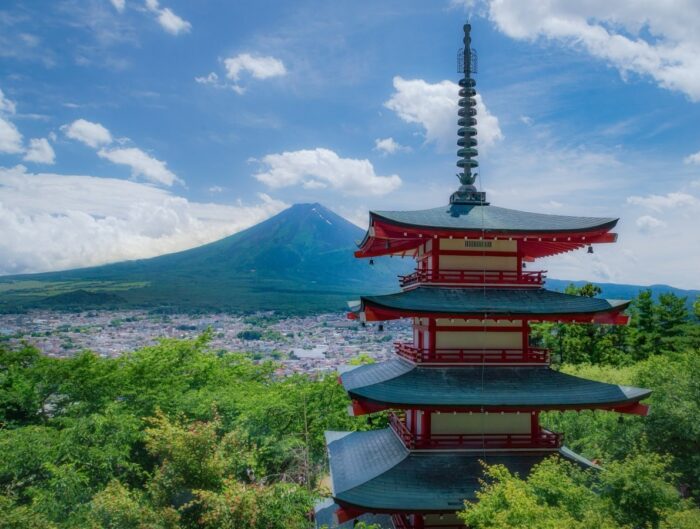
- Chureito Pagoda. The view of the pagoda with Fuji behind it is one of the most recognisable in Japan.
- Aokigahara. The Sea of Trees hides some surprises, including an ice cave in the area.
- Kitaguchi Hongu Fuji Sengen Shrine. Take a moment under the enormous sacred trees.
- Oshino. Streams fed by Mount Fuji wind through this lovely village.
- Shiraito Falls. Water from Mount Fuji fans out in a curtain here.
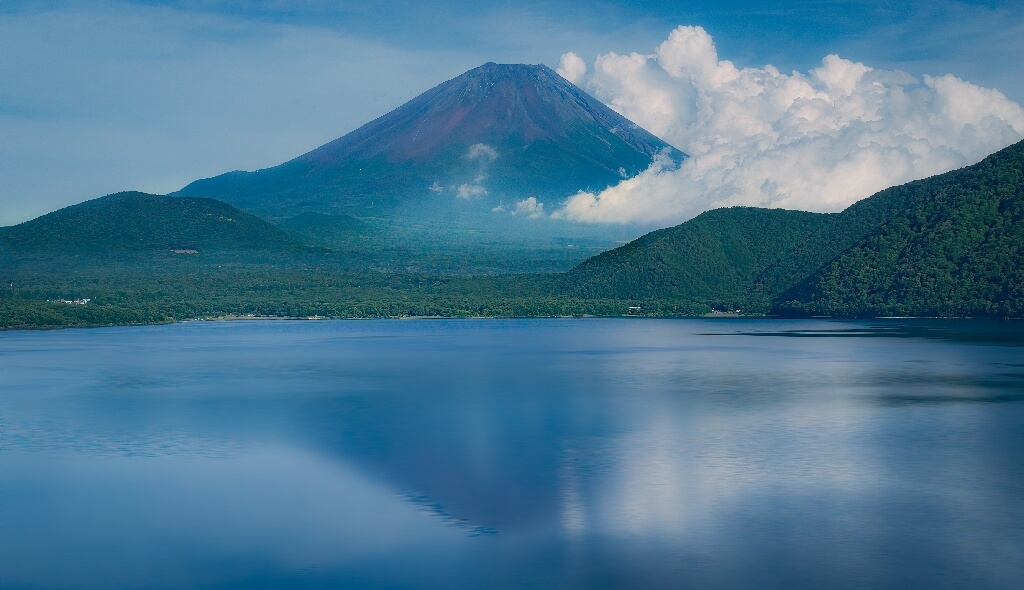
- The Fuji Five Lakes. We made it to four of them: Yamanakako, Kawaguchiko, Saiko and Motosuko. The volcano looks a little different from each one.
We booked with Ken through Excursiones Fujiyama. His tour was in Spanish. If you get in touch, feel free to say we sent you. We don’t earn a commission.
3. The Japanese Alps: Takayama and Shirakawago
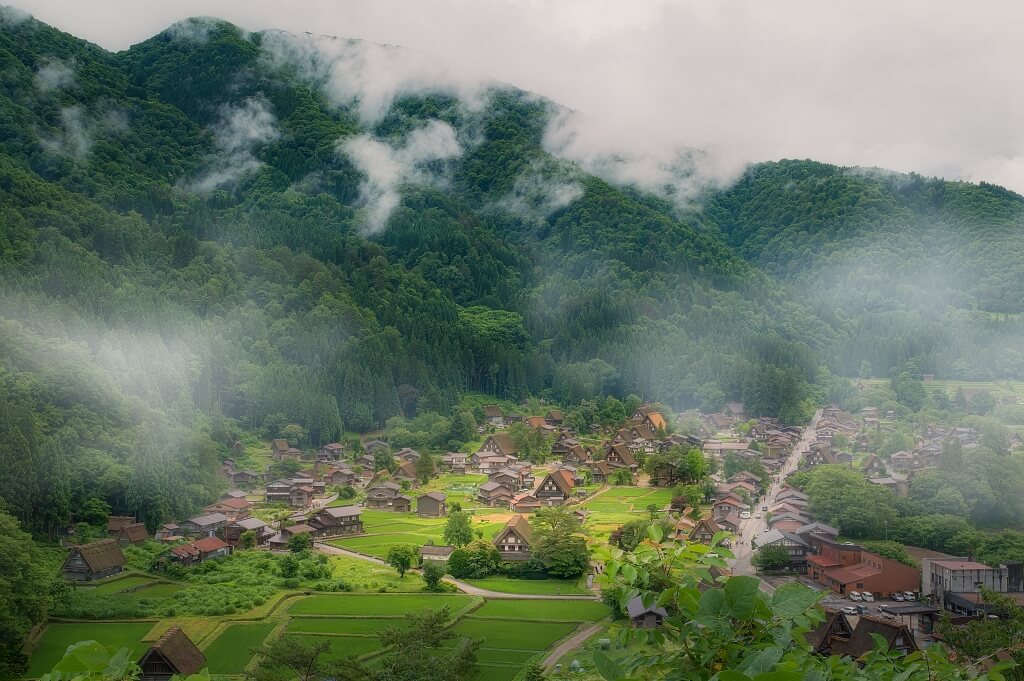
Two stops we’d make time for in the mountains are the town of Takayama and the village of Ogimachi in Shirakawago.
Takayama
Start in the old quarter of Sanmachi Suji, around Ichinomachi, Ninomachi and Sannomachi. Look for the round cedar balls, or sugidama, above the doors of the sake breweries. Inside you can try local sake, and the streets around them are a good place to look for local crafts.
This is also where we’d try Hida beef and spend a night in a ryokan, a traditional Japanese inn. We loved having an onsen bath there. Some are communal and others can be booked privately.
Hida no Sato is an open-air museum of traditional farmhouses brought here from across the region. There’s an admission charge, but we’d pay it again for the chance to see how the steep-roofed houses were built and lived in.
Shirakawago
Ogimachi is a UNESCO-listed village in the Shogawa valley, surrounded by mountains. The farmhouses sit among rice fields and their steep gasshō-zukuri roofs are built to shed heavy winter snow. Allow half a day, or a little longer if you want to have lunch.
We arrived by bus from Takayama. There are lockers by the terminal, but we’d go straight to the staffed left-luggage counter if you have big cases. Check the Nohi Bus timetable to see which departures need a reservation.
4. Kanazawa
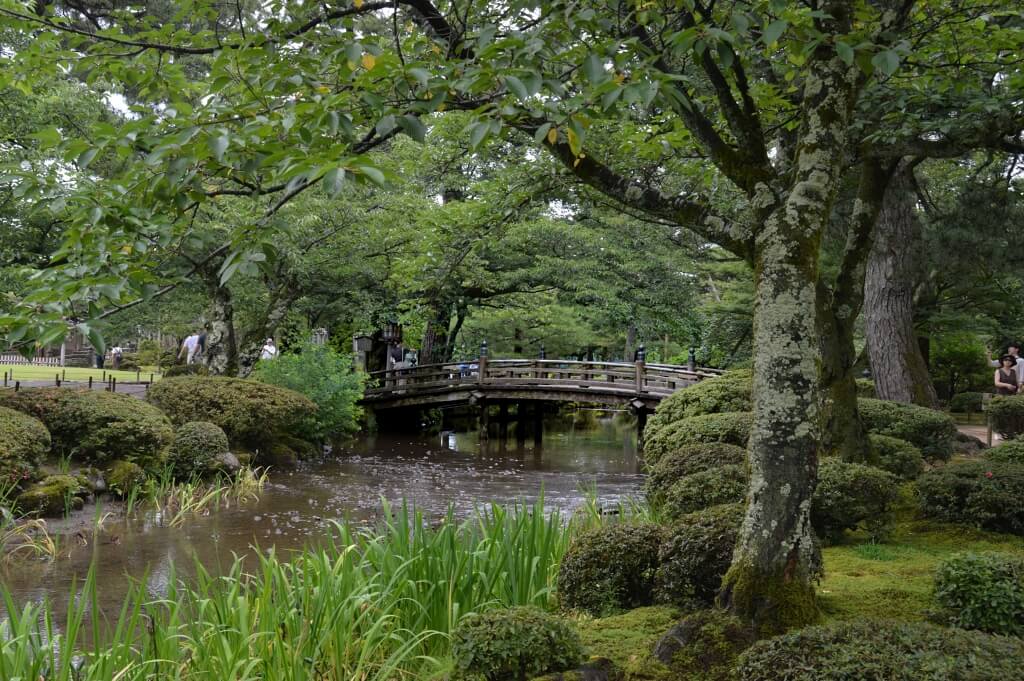
Kanazawa, the capital of Ishikawa Prefecture, is worth a stop even if you only have a short time. Start with the old Edo-period streets of Higashi Chaya and the Nagamachi samurai district, then make time for Kenroku-en garden.
Nearby Kanazawa Castle is worth seeing from the outside. Given the choice, we’d spend longer in the garden than pay to see the castle interior.
For lunch we’d go to Ōmichō Market, where there are stalls and small restaurants serving local food.
5. Kyoto
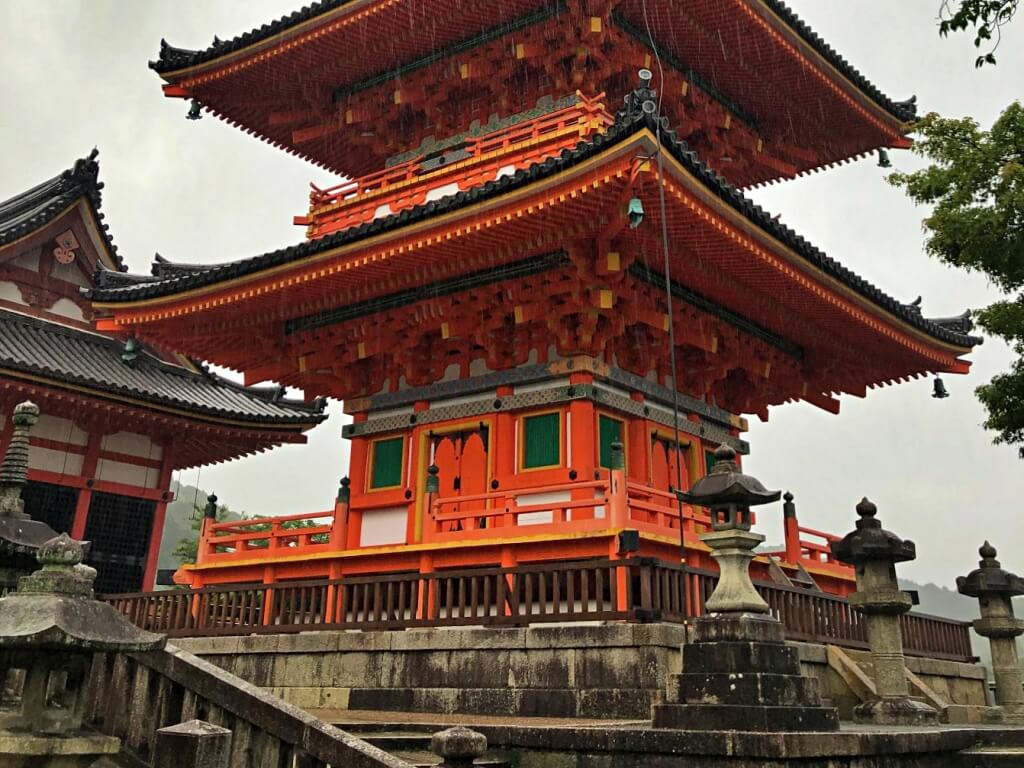
We’d give Kyoto at least two days. We fell for its backstreets and temples and left wishing we’d had longer. We used the buses a lot. The Kyoto Subway & Bus One-Day Pass may be useful if you’re making several trips. Depending on where you stay, the train can be easier for Fushimi Inari or Arashiyama.
Two walks stood out for us. The Philosopher’s Path follows a canal in northern Higashiyama and is lovely when the cherry trees are in bloom. Further south in Higashiyama, the lanes and steep streets take you past several of Kyoto’s best-known temples. We’d also leave some time for the Imperial Palace and the surrounding park, with its cherries, maples and ginkgo trees.
In the evening, we’d head for Pontochō, a narrow lane parallel to the Kamo River. There are restaurants and tea houses, and in summer some restaurants put terraces out over the water.
And then there’s Kinkaku-ji, the Golden Pavilion. The view of it reflected in the pond made it one of the temples we were most glad to see.
6. Fushimi Inari Shrine
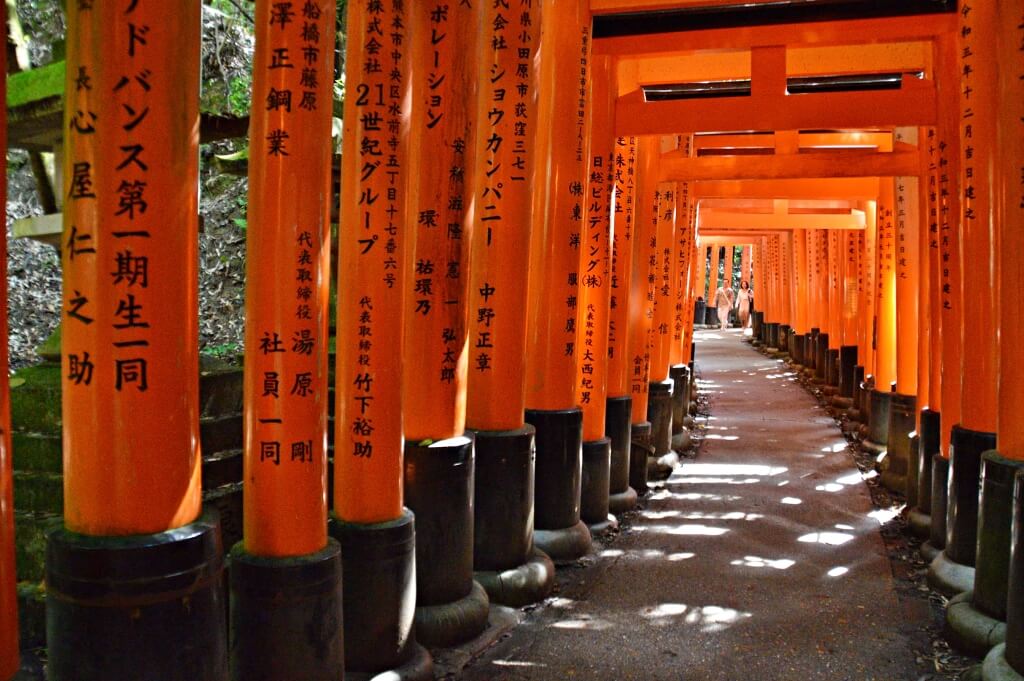
Thousands of vermilion torii gates lead up the hillside behind this Kyoto shrine. Entry to the grounds is free, so it’s easy to fit around other plans. The shrine is dedicated to Inari and the foxes you see along the way are the deity’s messengers. You might recognise the gates from Memoirs of a Geisha.
The lower part gets busy. The higher you go, the more the crowds thin out. You can take the loop or turn back whenever you like. We found maps at several points along the way and even came across drinks machines on the hill.
7. Arashiyama Bamboo Grove and its surroundings
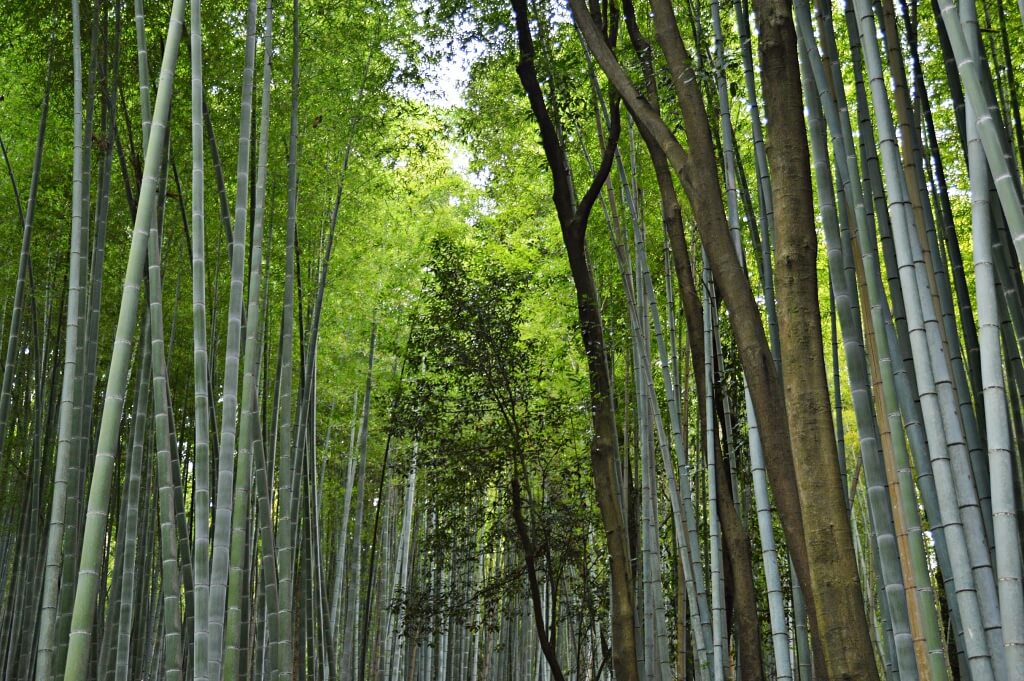
Arashiyama is easy to reach by train from central Kyoto. It’s popular for good reason. Along the free paths through the grove, tall stems of bamboo seem to close around you. If there’s a breeze, stop and listen to them sway. You can see the grove in a short visit or spend most of a day in the area.
- Kimono Forest. Beside the Randen tram station are rows of columns wrapped in kimono fabrics.
- The main street. This is where we found most of the restaurants, including some reasonably priced ones.
- Tenryū-ji. One of Kyoto’s best-known temples. There’s an entrance fee and we chose to spend our time elsewhere that day.
- Togetsukyō Bridge. The bridge crosses the Katsura River, where you can hire a boat. The walk is especially pretty during cherry blossom season.
- Iwatayama Monkey Park. On the far side of the bridge, a steep uphill walk brings you to the park. There’s a fee, but the monkeys and the views over Kyoto made it a good outing with the children. Feeding is only permitted in the designated area.
8. Nara Park
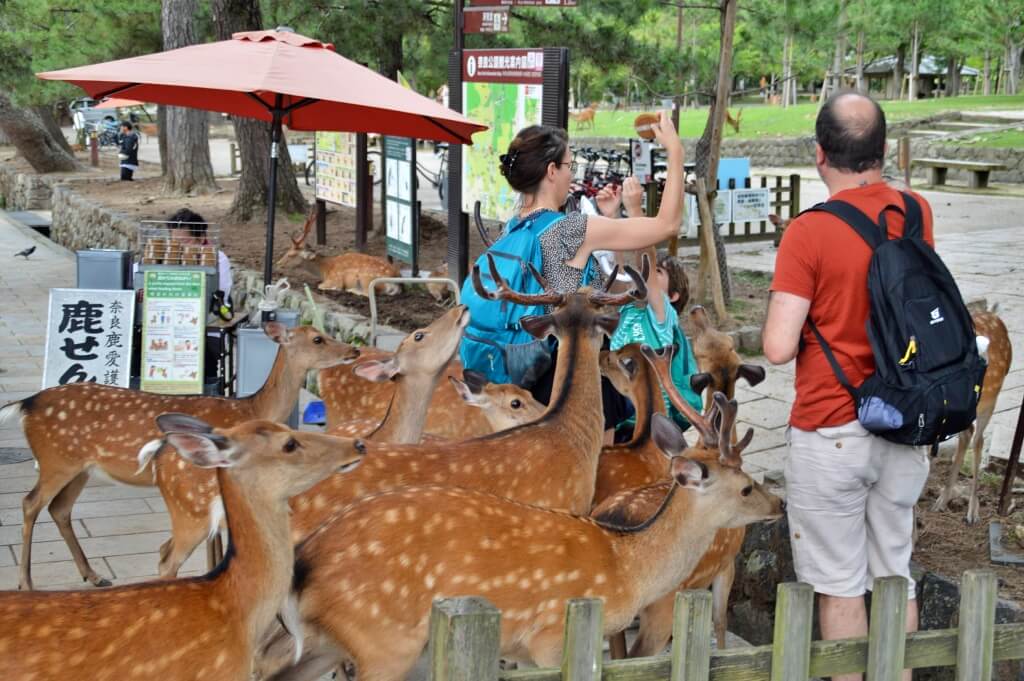
Nara was an early capital of Japan and makes an easy day trip from Kyoto. Kintetsu Nara station is closer to the park. For our family, this was one of the biggest surprises of the trip.
The free-roaming deer are everywhere. You can buy shika senbei crackers for them, but take care around small children, as they can get pushy when they spot food. There are temples and shrines throughout the park, including Kōfuku-ji, Kasuga Taisha and our favourite, Tōdai-ji.
Tōdai-ji’s Great Buddha Hall houses the bronze Vairocana Buddha, nearly 15 metres tall. It seems impossible that it fits inside. There’s also a hole in one of the wooden pillars, said to be the size of the Buddha’s nostril. Legend says that anyone who can squeeze through will be granted enlightenment. We can see why the children wanted to try it.
9. Hiroshima and Miyajima
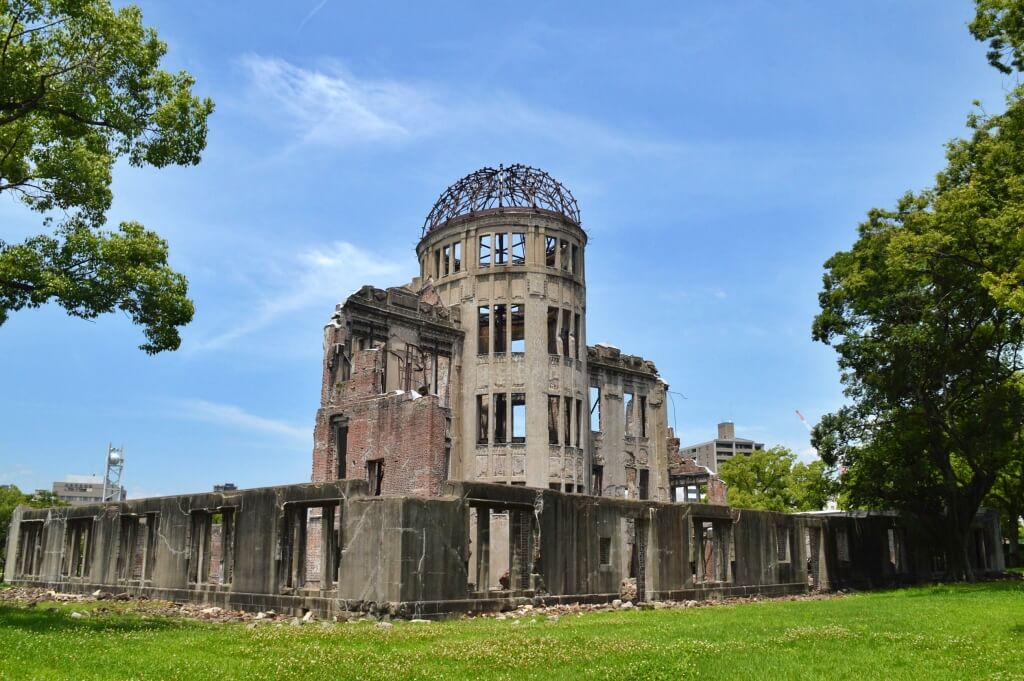
Hiroshima had to rebuild after the atomic bombing on 6 August 1945. Visiting the city was one of the most moving parts of our trip. We combined Hiroshima and Miyajima in one day, but we’d start early if you want time for both.
Hiroshima Peace Memorial Park and Museum
The park occupies part of what was once the centre of Hiroshima. The Atomic Bomb Dome stands across the river. The bomb exploded above the area by Shima Hospital, a short walk from the dome.
In the park, look for the Cenotaph, which holds the names of victims, the Flame of Peace and the Children’s Peace Monument, inspired by Sadako Sasaki. The annual ceremony marks the bombing at 8:15 am on 6 August. At the far end of the park is the Peace Memorial Museum, which explains what happened and follows the lives of people affected by the bombing.
Miyajima and the floating torii
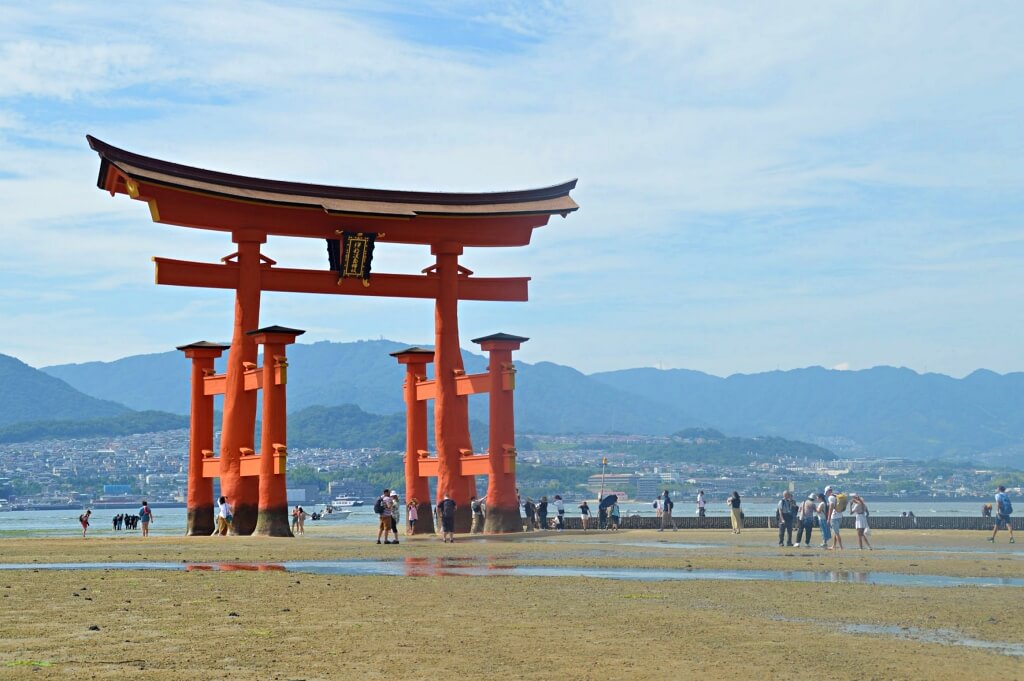
Itsukushima Shrine and its surroundings have been on the UNESCO World Heritage List since 1996. The great torii seems to float on the water at high tide, and at low tide you can walk closer to it. Admission to the shrine is charged separately. Nearby are the great wooden hall of Senjōkaku and the five-storey pagoda, which is undergoing restoration. See the shrine’s notices about building work.
From Hiroshima Station, take the train to Miyajimaguchi, then the ferry. The national Japan Rail Pass covers the JR West ferry, with the Miyajima visitor tax payable separately. Boats from central Hiroshima are a separate service.
After getting off the ferry we followed the waterfront, past free-roaming deer and towards the shrine. The Omotesandō shopping street is a good detour for a snack or a look in the shops.
10. Osaka
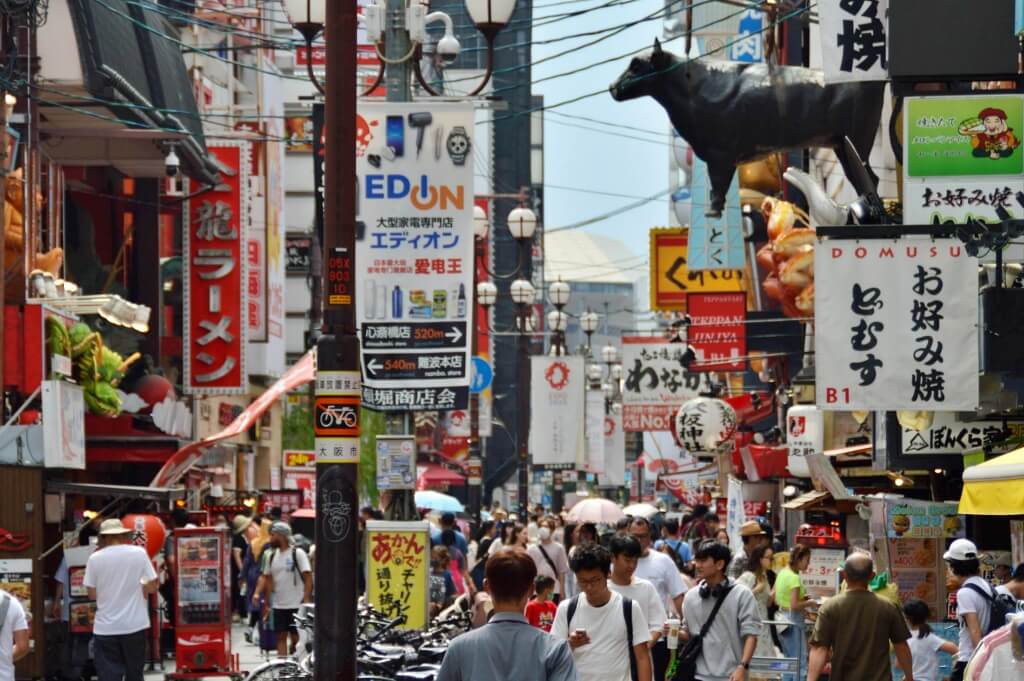
Osaka split our family down the middle. Half of us loved the variety and the slightly mad energy. The other half found it exhausting, and we could see their point. We only had one day, but we’d still include it on a first trip.
- Umeda Sky Building. The view from the top is excellent, but what we remember most is the escalator suspended between the two towers.
- HEP FIVE. We saw the bright red Ferris wheel from below. It’s easy to spot near Umeda Station.
- Dōtonbori and Shinsekai. We went to see the Glico running man and ended up staring at dragons, cows and even Spider-Man on restaurant façades. Next time we’d also go to Shinsekai at night, with Tsūtenkaku Tower lit up in the distance.
- Osaka Castle. The reconstructed castle houses a museum and has views from the top. Its park is lovely in spring, when the plum and cherry trees bloom. You can also take a boat trip around the moat.
That’s our ten. Two weeks gave us a taste of Japan and left us wanting to come back for the food, the history and the people who made the trip so memorable.
All photographs in this guide are by Tomeu Fiol. His portfolio brings together street, landscape and cinematic photography, including Tokyo after dark. He also shares photographs from Mallorca and his travels on Instagram (@tomeu00).
For maps and more ideas, see the Japan National Tourism Organization and our Japan travel tips.
You might also like