The Raixa estate, in Bunyola at the foot of the Serra de Tramuntana, combines a historic manor house, landscaped gardens and a visitor centre explaining the mountain landscape. It is a free family visit, with a monumental staircase, a large reservoir and quiet corners worth taking time to explore. Even before entering, there is a lovely view of the buildings and their surroundings.
The history of Raixa and Cardinal Despuig
Raixa originated as an Islamic farmstead, whose name survives in the estate’s place name. Today’s house reflects several periods of alteration, especially the work promoted in the late 18th and early 19th centuries by Cardinal Antoni Despuig i Dameto (1745–1813), a significant figure of the Mallorcan Enlightenment and an enthusiastic art collector.
A key figure in its neoclassical transformation was master builder Tomàs Abrines i Beltran, hired in 1806. The cardinal’s nephews continued the project after he left for Italy. The façade’s gallery was built around 1808, and part of Despuig’s classical sculpture collection is now kept at Bellver Castle.
Raixa was designated a Bien de Interés Cultural, a protected heritage site, in 1993. In 2002 it was purchased by the Fundación Parques Nacionales and the Consell de Mallorca. The foundation was later absorbed into the Fundación Biodiversidad. Restoration brought the house and gardens back into use for public visits.
The house and the Centre Serra Tramuntana
As well as seeing some of the house’s rooms, visitors can explore the Centre Serra Tramuntana. Panels, videos and displays explain the estate and the mountain range’s cultural landscape: a place shaped by water, agriculture and the relationship between people and the mountains.
Inside is the Espai Collidores, a tribute to the women who picked olives through the coldest months. It is a worthwhile detail to discuss with children: behind these gardens, olive groves and terraces lies a great deal of work that is not always visible.
Raixa’s gardens

The lower gardens include the vegetable garden, orange-tree garden, gallery garden with its central fountain, and entrance garden with a small pond. Look out too for the bust of Cardinal Despuig and the entrance gateway, built in 1898 and bearing the family coat of arms.
On our visit we saw beautiful bright-green frogs among the water lilies. We cannot promise they will always be visible, but watching the pond quietly, without disturbing its wildlife, can lead to small discoveries that children love.
The upper gardens are arranged around the famous staircase dedicated to Apollo, with two reclining stone lions. Higher up is the great reservoir, measuring 98 metres long and 18 metres wide, according to the official documentation. Its large carp particularly caught our children’s attention on our visit.
An interesting clue to how it all worked: water from the Pastoritx spring in Valldemossa was purchased in 1807, making the gardens’ development possible. The great reservoir, adapted from an earlier cistern, shows that water served practical as well as decorative purposes.
Another favourite corner of ours is the neo-Arab lookout pavilion, with coloured windows. Depending on the time and light, their reflections cast patches of colour on the floor, making an unusual photograph. Before reaching it there is a small grotto with stalactite and stalagmite formations. The upper route also includes a hermitage and a small temple dated 1854.
Back at the house, follow the open visitor route to see the tafona, the traditional Mallorcan olive press, and the interior of a watermill. They help explain how a country estate worked beyond its decorative gardens. There are steps and sloping paths: take your time with young children and supervise them carefully beside the ponds.

Raixa on film
Raixa has appeared in well-known films. Jaime Chávarri filmed part of Bearn, or the Doll Room (1983) here, adapting Llorenç Villalonga’s novel with Fernando Rey, Ángela Molina and Imanol Arias. Filming in Mallorca began on 22 October 1982; the premiere at Palma’s Auditòrium on 8 April 1983 was a major occasion. It had a substantial budget for its time, and the gardens helped recreate the world of Mallorca’s old aristocracy.
The estate also appears in Evil Under the Sun (1982), directed by Guy Hamilton, based on Agatha Christie’s novel and starring Peter Ustinov as Hercule Poirot. It is fun to recognise Mallorca in a story set elsewhere. The Serra de Tramuntana Consortium explores Raixa’s film connections (in Spanish).
A photograph and a personal memory
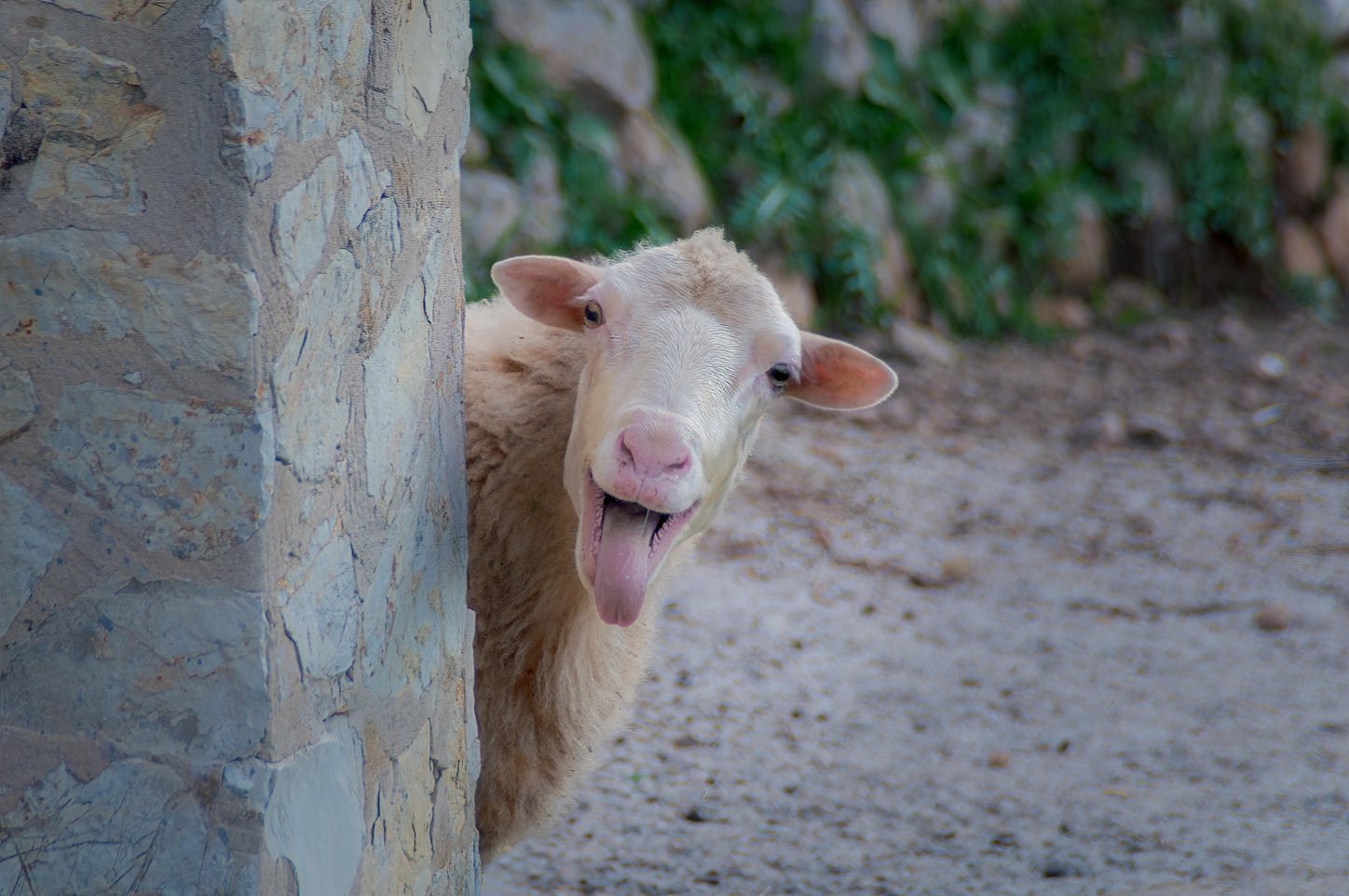
Raixa also has a personal connection for me: in 2022 my photograph “Descarat” was exhibited here. The photograph of a sheep received first prize in the “La vida a la Serra” category of the fourth Serra de Tramuntana Photography Competition, as well as the Audience Award on social media. Seeing it displayed in a place so closely connected to the landscape I photograph meant a lot to me. You can see more of my work on Tomeu Fiol’s photography website.
Getting to Raixa, opening hours and booking
The signed access is off the Ma-11 Palma–Sóller road at kilometre 12.2, in Bunyola. Take the estate’s access road from the roundabout; Raixa has its own car park.
Admission is free. Published opening hours are Tuesday to Saturday, 10:00–15:00; closed on Mondays, Sundays and public holidays. Check Raixa’s official website before travelling, particularly around holidays or for notices of temporary closure.
Families and small groups visiting independently do not need to book under the published conditions. Groups of more than 15 must notify the estate in advance. If your group has exactly 15 people or you are arranging an activity, confirm the arrangements with reception.
The free guided visits must be requested at least one week in advance. The official information specifies a minimum of 10 participants, with a waiting-list option if the minimum is not reached. Confirm availability, language and conditions when booking. Contact +34 971 237 636 or visitesraixa@conselldemallorca.net.
Dogs are not allowed inside the house or historic gardens, except guide dogs, under the published rule. Do not assume that the whole visit is accessible: the upper gardens involve steps and slopes. For wheelchairs or pushchairs, ask which specific areas can be explored without barriers.
A nearby walk: the surroundings of Raixeta
For a walk nearby, our outing around Raixeta starts close to the car park. It follows an out-and-back route, respecting the short private passage indicated by the owner, and does not enter Raixeta’s private houses. Raixa and Raixeta are separate estates: public opening at one does not make the other freely accessible.
Raixa visit fact sheet
Frequently asked questions about Raixa
Is Raixa free to visit?
Yes. Admission to the Raixa estate is free during opening hours. Free guided visits are also offered, with advance arrangements, subject to availability and sufficient participants.
What are Raixa’s opening hours?
Published hours are Tuesday to Saturday, 10:00–15:00. Raixa is closed on Mondays, Sundays and public holidays. Check official notices before travelling, particularly around holidays.
Do you need to book a visit to Raixa?
Families and small groups can visit independently without an appointment under the published conditions. Groups of more than 15 must notify the estate in advance; for exactly 15, confirm with reception. Guided visits require at least one week’s notice and a minimum of 10 participants.
Can you visit Raixa with a dog?
The official rule does not allow dogs in the house or historic gardens, except guide dogs. This differs from the path towards Raixeta, where signs require dogs to be kept on a lead.
You might also like